
a photographic blog about geology
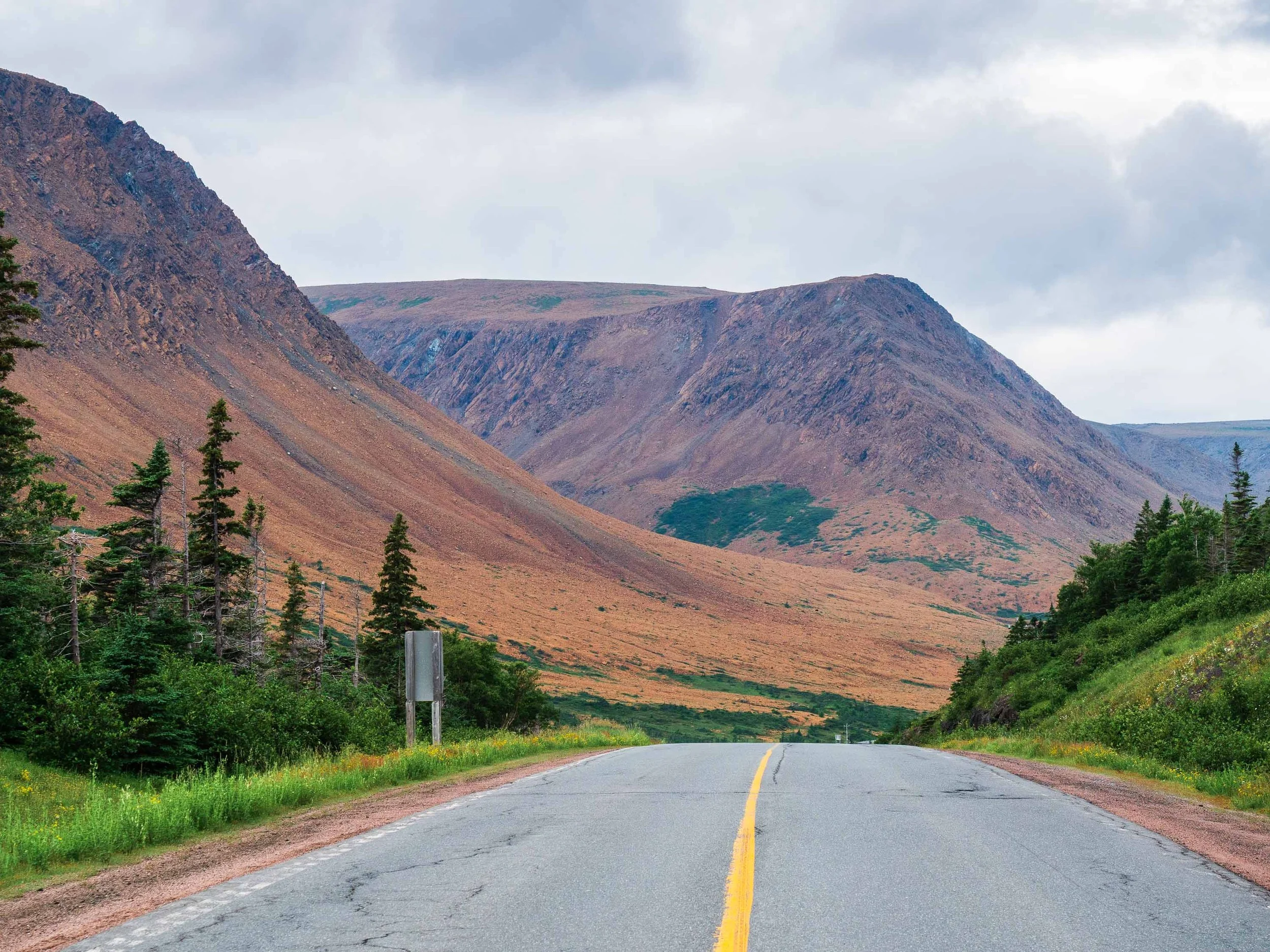
The Tablelands, Gros Morne National Park
The Bay of Islands complex is composed of 4 massifs and is exposed on a distance of 85 km along the west coast of Newfoundland. It is the largest and best exposed ophiolite sequence in the Appalachian Orogen, and one of the most complete ophiolite sequences in the world. They played a seminal role in the development of plate tectonic theory and the understanding of processes involved in building mountain belts. The Bay of Islands Igneous Complex in western Newfoundland was the first ophiolite complex to be examined and understood in the context of global plate tectonics theory.
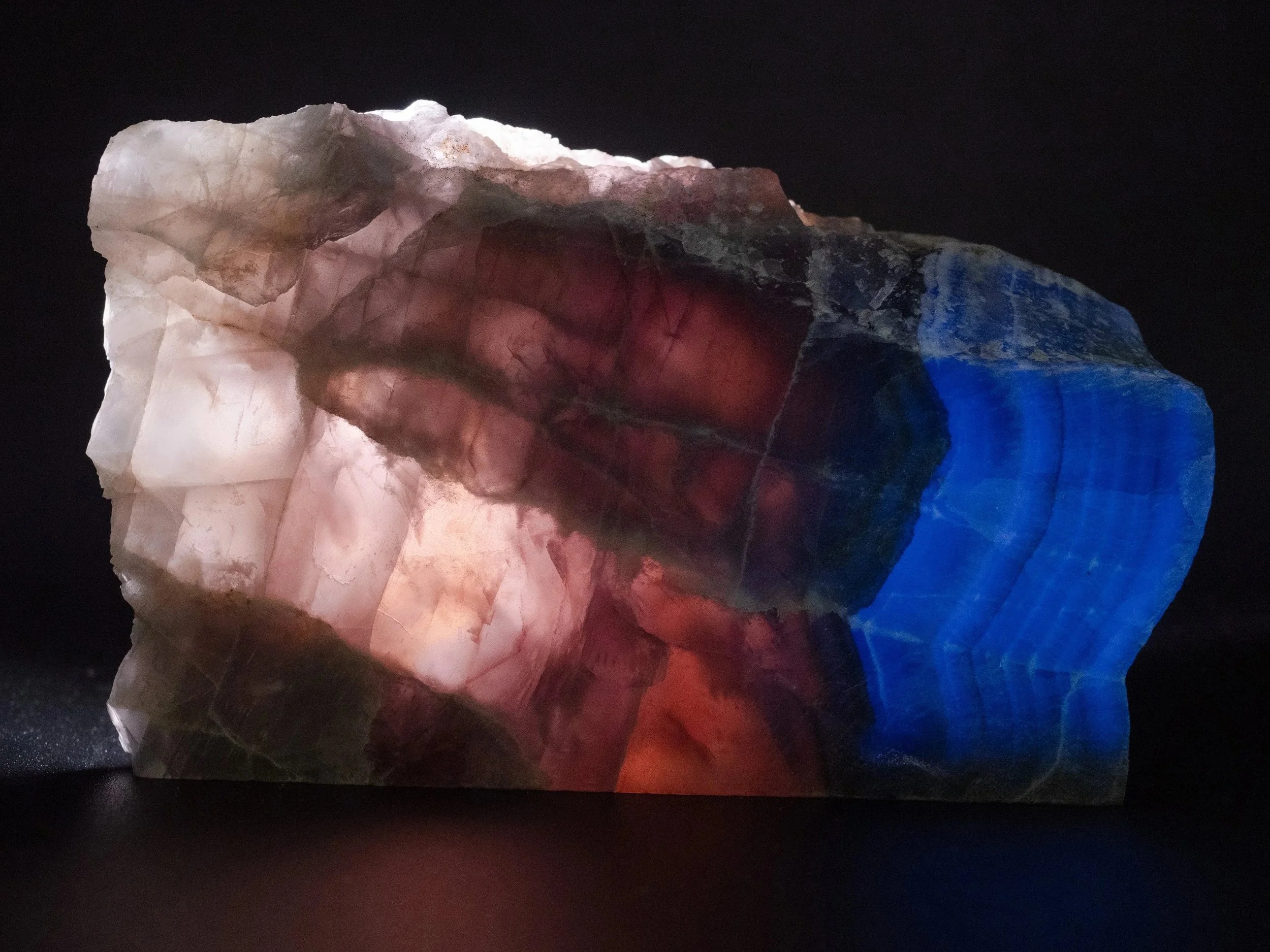
A Beacon Of UV Light
Fluorescence gets it’s name from fluorite. About 15% of minerals fluorescence under UV light. The phenomenon is a story of mineral activators, quenchers and structural defects.
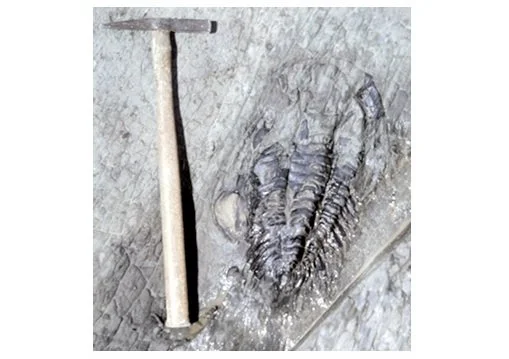
Dr. Fletcher’s Legacy
Palaeontologist and geologist Terence Patrick Fletcher was a globally recognized authority on Cambrian stratigraphy and trilobite faunas. His landmark research that was part of his 1972 Ph.D. dissertation at Cambridge University was based on Cambrian strata exposed at Cape St Mary’s Peninsula. His work there and in other places in Newfoundland was foundational to defining Cambrian marine life and trilobite morphology, as well as reshaping our understanding of the Cambrian Period.